← home page • Buzz@Bruss! Edition #5 • Big Brother vibes?

On December 3, 2024, the European Council adopted recommendations urging member states to expand smoke and aerosol-free environment policies. These non-binding proposals would extend the smoking and vaping ban to almost all places of public life, such as parks, Christmas markets, outdoor areas of restaurants and bars, café terraces, zoos(!), near public buildings, beaches – the possible list is long.
JTI recognizes that many people have concerns about exposure to environmental tobacco smoke. All smokers should show consideration for those around them and should not smoke when children are present. Expanding no-smoking zones in public outdoor spaces, however, is a further intrusion into individual freedoms and lifestyle choices. Outdoor spaces are, well, outdoors, where risks of second-hand exposure are minimal. Tobacco smoke in the ambient air outside enclosed spaces is very quickly diluted. At the same time, the risk potential of emissions from low-pollutant e-cigarettes and heated tobacco products is not comparable to passive smoking. This is especially true in outdoor locations. It feels more like the unnecessary micromanaging of people’s lives than a genuine public health measure. Not only did the Council overstep on personal liberties but actually it has also been skipping homework and ignoring evidence.
The Council’s decision has been taken in the absence of an impact assessment (strongly criticized in dissenting statements by Italy, Romania and Czech Republic, for example) by not providing robust, empirical evidence to substantiate their claims, most notably about the harm posed by aerosols from alternative products like e-cigarettes and heated tobacco devices. These recommendations would have been better supported by a comprehensive evaluation of their potential economic, social, and public health consequences. Without such an assessment, it is difficult to gauge whether the benefits of extending these policies outweigh potential downsides, such as enforcement costs, impacts on businesses, and the erosion of consumer trust in regulatory frameworks.
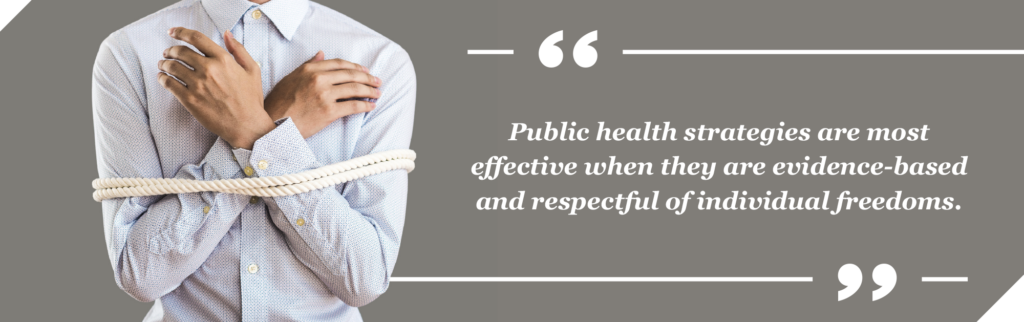
Policymakers must carefully weigh the potential health benefits against the social, economic, and personal costs of such measures. Public health strategies are most effective when they are evidence-based and respectful of individual freedoms. Moving forward, the EU would benefit from fostering open dialogue with all stakeholders, including public health experts, harm-reduction advocates, industry and civil society in order to create more inclusive and effective policies. Doing so and ensuring that future policies are grounded in robust evidence will be essential to maintaining public trust and achieving meaningful health outcomes.