← home page • Buzz@Bruss! Edition #4 • No taxation without representation

If a company is legitimate enough to pay its taxes to governments, then it is legitimate enough to participate in discussions concerning its industry! Not being able to do so equates to “taxation without representation”.
Our products are good enough to generate tax revenues, so why should we be ignored?
The European Ombudsman published its latest communication concerning its 2021 ruling that found the European Commission failed to comply with its obligations concerning the transparency of interactions with the tobacco industry.
JTI takes this opportunity to strongly reiterate our commitment to engaging transparently and publicly in decision-making processes that affect our business. Unfortunately, exclusion from the public debate and a refusal to listen impartially to all sides seems to be the name of the game in Brussels.
In the case of the tobacco industry, art. 5.3. of the international framework convention on tobacco control is used as a pretext and excuse to refuse any dialogue. This Ombudsman investigation is a case in point. Indeed, public policymaking should be protected from anyone’s single-vested interest – this actually means that you must listen to everyone and then make your own informed decision.
To ensure that no single voice unduly influences decisions on public policies, we therefore continue to encourage more transparency, accountability and inclusiveness. If you call on governments not to hear selected perspectives and to exclude actors from important public deliberations, you undermine trust in government because exclusion nurtures suspicion. Year on year numerous studies and surveys have shown an erosion of trust in public institutions and, in fact, seen higher confidence in businesses, as the latest Edelman Trust Barometer proves.

The refusal of tax-paid public servants to engage in public debate with industry actors is a willful act that holds impartiality and public interest hostage. European public servants, just as businesses or vested-interest groups such as single-issue NGOs, need to be held accountable for their actions and words. JTI is all in favor of disclosing the content of meetings, but for that to happen meetings need to actually take place. It was none other than the European Court of Justice who ruled in 2022 that “it [art. 5.3. FCTC] does not prohibit all participation of the tobacco industry in the establishment and implementation of rules on tobacco control.”
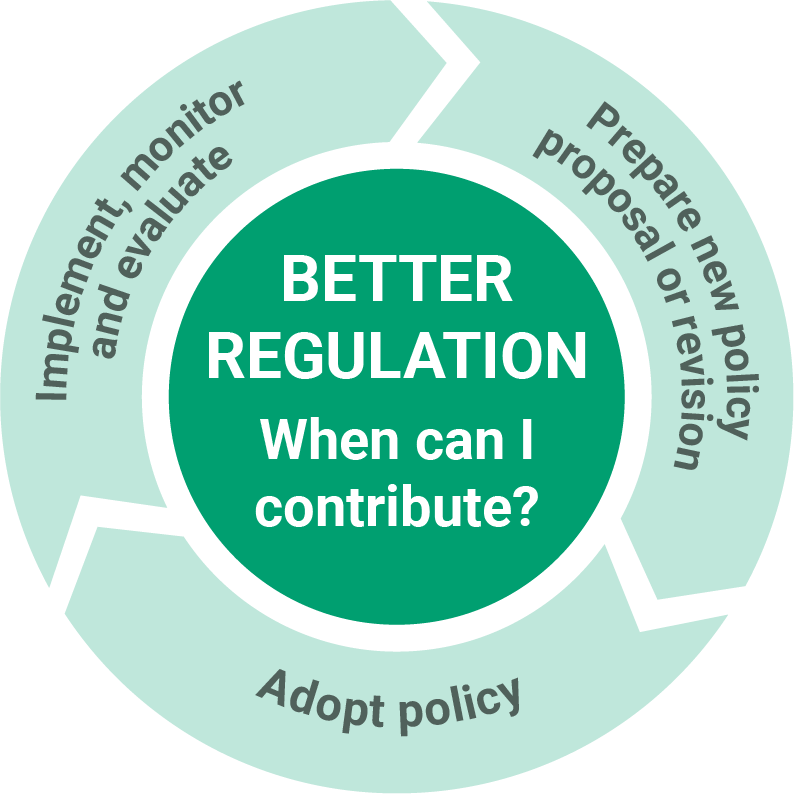
In the EU, stakeholder participation is based on inclusive participation, openness and accountability, effectiveness and coherence, as laid out in the so-called Better Regulation Framework. The EU should not necessarily limit itself to the formalities of that process, but rather encourage meaningful dialogue that overcomes fear, and which ignores discriminatory calls for exclusion by certain vested-interest groups.
Public debate and full disclosure help restore trust and sincerity in the political process. This is the commonsense approach, allowing independent lawmakers to design the best public policy outcomes with as much evidence available, free from undue influence.
Buzz@Bruss! #4 • more articles